

Featured answer: Digital marketing is the use of online channels—such as search, social media, email, content, and paid ads—to attract, engage, and convert customers. It combines data, technology, and messaging to reach the right people at the right time, measure results precisely, and optimize campaigns for revenue and long-term growth.Reading time: 20–25 minutes
Digital marketing has shifted from a “nice-to-have” to the backbone of modern business growth. Whether you’re a solo freelancer, a SaaS startup, or an established agency, your ability to win attention, build trust, and convert customers now depends on what you do online.This guide is your pillar overview of digital marketing: what it is, why it matters in 2026, the main types and channels, essential tools, real-world examples, and a practical implementation framework. You’ll also find links to deeper guides on content, email, SEO, automation, and AI tools so you can turn theory into a working strategy.Table of Contents
ToggleWhat Is Digital Marketing?
Digital marketing is the practice of promoting products, services, or brands through online channels and digital technologies. Instead of relying on offline methods like print, TV, or radio, digital marketing focuses on where people actually spend their time: search engines, social platforms, email, websites, and apps.At its core, digital marketing combines four elements:- Audience – who you want to reach and what they care about
- Message – the value you offer and why it matters
- Channel – where and how you communicate that value online
- Measurement – how you track results and improve over time
Why Digital Marketing Matters for Businesses in 2026
By 2026, your digital presence is no longer just a marketing asset—it’s your competitive moat. Buyers research independently, compare options across tabs, and expect a seamless digital experience from first click to renewal.Digital marketing matters because it enables you to:- Be discoverable when people search for solutions, not just your brand name
- Build trust at scale through educational, useful content instead of only direct pitches
- Lower acquisition costs by compounding organic and automated channels over time
- Respond to data and adapt your strategy weekly, not yearly
- Automate repetitive tasks with tools and AI, freeing human time for strategy and creativity
- AI and automation are transforming how content is created, campaigns are optimized, and customer journeys are personalized. For a practical overview of tools, see AI Tools in 2026: How to Choose the Best Ones for You.
- Privacy and tracking changes are forcing marketers to rely more on first-party data, email, and owned channels.
- Freelancing and online businesses are growing, increasing competition and raising the bar for differentiation. If you work independently, Understanding Freelance Work: Key Insights and Tips is a useful complement to this guide.
Types of Digital Marketing
Digital marketing is not a single tactic; it’s an ecosystem of channels and strategies that should work together. Below are the core types you need to understand, with links to deep-dive guides where relevant.1. Content Marketing
Content marketing is the strategic creation and distribution of valuable content—articles, videos, guides, tools—to attract and nurture your ideal audience. Instead of pushing ads, you answer questions and solve problems.When done well, content becomes the foundation for SEO, social media, email campaigns, and even sales enablement. To build a content engine that aligns with your digital marketing, see Content Marketing: Definition, Strategy & Examples.Typical content formats include:- Blog posts and pillar pages (like this one)
- Case studies and customer stories
- Lead magnets (checklists, templates, ebooks)
- Video tutorials and webinars
- Interactive tools and calculators
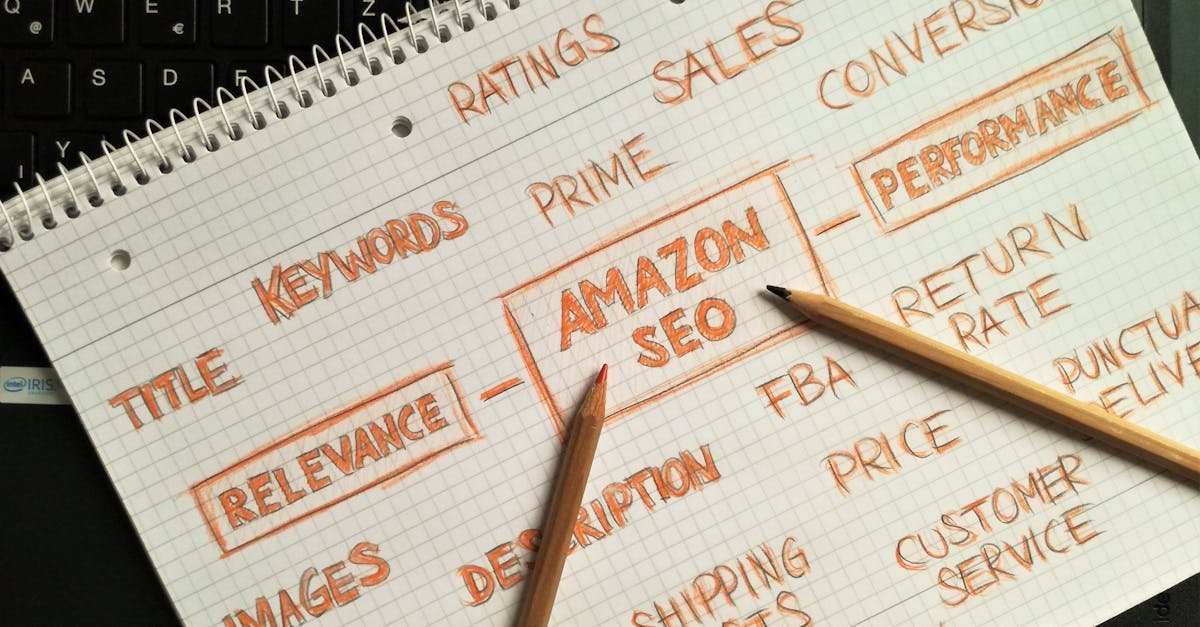
2. Search Engine Optimization (SEO)
SEO is the process of improving your website so it ranks higher on search engines like Google for relevant keywords. It has three main components:- On-page SEO – optimizing content, titles, headings, meta descriptions, and internal links
- Technical SEO – improving site speed, mobile-friendliness, crawlability, and structure
- Off-page SEO – earning backlinks and mentions from other reputable sites
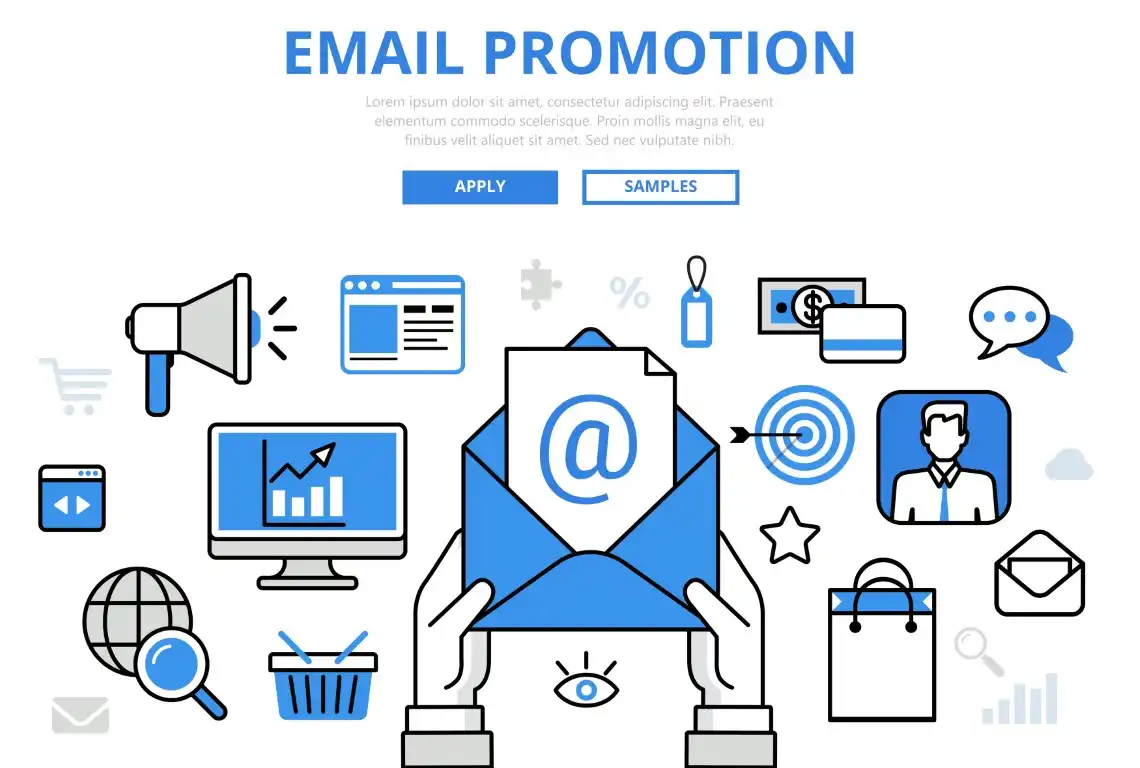
3. Email Marketing
Email marketing is still one of the most direct, high-intent channels available. You own the relationship, control the timing, and can segment and personalize messages based on behavior.Core elements include:- List building via content, lead magnets, and signup forms
- Welcome sequences and onboarding campaigns
- Regular newsletters and educational content
- Behavior-based automation (e.g., abandoned cart, trial expiration)
4. Social Media Marketing
Social media marketing covers both organic and paid activity on platforms like LinkedIn, Instagram, TikTok, X, and YouTube. The goal is to build awareness, engage your audience, and drive traffic or leads.Key activities:- Publishing regular content optimized per platform
- Community management and conversation
- Social advertising and retargeting
- Leveraging creators or influencers in your niche
5. Paid Advertising (PPC and Paid Social)
Paid advertising includes search ads (Google Ads, Bing Ads), display ads, and paid social (Meta, LinkedIn, TikTok, etc.). You pay per click, impression, or conversion to promote your offers to targeted audiences.Paid can amplify a working organic strategy, accelerate testing, and fill short-term pipeline gaps. But to be profitable, it must connect with:- Relevant landing pages and offers
- Clear measurement and attribution
- Conversion optimization and retargeting
6. Marketing Automation & AI-Powered Automation
Marketing automation uses software to trigger and orchestrate campaigns based on behavior and data—emails, messages, lead scoring, and more. In 2026, this increasingly includes AI to personalize, optimize, and generate content.Examples include:- Automated email journeys based on user actions
- Lead scoring and routing in your CRM
- AI chatbots and assistants on your site or in your product
- Dynamic content based on user segments
Best Tools and Platforms
Digital marketing tools fall into several categories: analytics, CRM, email, content, SEO, social media, and automation. The “best” stack depends on your business model and stage, but it should be integrated, data-driven, and manageable for your team size.For a top-down view of the SaaS landscape, see SaaS Tools Statistics: Adoption, Spend, and Growth Trends and SaaS Use Cases: Practical Examples Across Teams.CategoryMain PurposeExample Use in Digital MarketingRelated GuideAnalytics SoftwareTrack traffic, behavior, and conversionsMeasure which channels drive leads and revenueAnalytics Software Guide: Matomo vs Plausible vs GACRM SoftwareManage contacts, deals, and customer historyAlign marketing leads with sales follow-upCRM Software Explained: Meaning, Types, and BenefitsEmail Marketing ToolsSend campaigns and automate workflowsNewsletters, onboarding, and lifecycle sequencesEmail Marketing Tools: How to Choose the Right PlatformMarketing AutomationTrigger campaigns based on behavior and dataLead nurturing, scoring, and multichannel journeysMarketing Automation Software: Features, Use Cases & TipsSEO ToolsKeyword research, rank tracking, and auditsFind topics, optimize pages, and monitor performanceSEO Tools: How to Choose the Right Stack for GrowthSocial Media ManagementPlan, schedule, and monitor social postsStreamline content across multiple networksSocial Media Management Tools: How to Choose the BestAI Writing ToolsAssist with drafting and optimizing contentCreate outlines, first drafts, and variations to testAI Writing Tools: How They Work and How to ChooseAI Image/Video ToolsGenerate visuals and videos at scaleCreate thumbnails, social creatives, and product demosAI Image Generator Guide & AI Video Generator GuideWeb Hosting & BuildersHost and build your site or funnelProvide fast, reliable pages for campaignsWeb Hosting Explained & Website Builder GuideAs you evaluate platforms, prioritize:- Data integration with your CRM and analytics
- Ease of use for non-technical team members
- Scalability as your audience and campaigns grow
- Automation capabilities and AI features that save time
Real-World Use Cases
Digital marketing looks different for a solo freelancer versus a SaaS company or an agency. Here’s how these concepts translate into practice.Startups
Startups typically need fast feedback loops and defensible growth channels.- Search + content for problem awareness – Publish guides targeting key pain points in your space. Use Understanding Digital Marketing: Types & Trends for 2026 to spot relevant trends.
- Lead generation funnels – Use a lead magnet and email nurturing sequence built from Lead Generation Strategies: A Practical Guide to Getting Leads.
- Product-led onboarding – Combine email, in-app messages, and AI assistants to support trials. AI Agents in Marketing: Use Cases, Benefits, Risks explains how AI agents can guide users through onboarding or feature discovery.
Freelancers
For freelancers, digital marketing is the difference between inconsistent gigs and predictable clients.- Authority-building content – Share niche-specific articles and case studies. Use Freelancer Tools: Essential Apps for Efficient Work to streamline your marketing operations.
- Platform presence – Optimize profiles on Upwork, Fiverr, or Freelancer, supported by clear offers. Compare options using Upwork vs Fiverr: Differences, Fees, and Best Use and Upwork vs Freelancer: Fees, Features, and Best Fit.
- Outbound and proposals – Use email and proposals tuned to client needs. How to Get Freelance Clients: A Practical Step-by-Step and Freelance Proposal Templates: Examples & Structure are key here.
Agencies
Agencies need scalable systems and clear reporting across multiple clients.- Standardized funnels and reporting – Use consistent frameworks for SEO, content, and paid. Digital Marketing Guide: Strategy, Channels, Trends can serve as a strategic template.
- Automation for operations – Implement marketing automation, reporting dashboards, and social scheduling. See Top Automation Tools to Boost Productivity.
- Service specialization – Niche down into CRO, SEO, or email to stand out. If you’re building an agency from scratch, use How to Start a Digital Agency: Step-by-Step Guide.
Online Businesses (Courses, SaaS, Ecommerce)
Online businesses rely heavily on digital channels for acquisition and retention.- Content-driven funnels – Answer category-level questions, then guide users towards your product. Content Marketing: Definition, Strategy & Examples shows how to structure this.
- Email + automation for retention – Cart recovery, upsell flows, and value-driven newsletters based on Email Marketing Strategy and Marketing Automation Software.
- AI-enhanced customer support – Deploy AI chatbots or assistants on your site or app to answer FAQs, recommend products, or triage tickets. For differences between chatbots, assistants, and agents, see AI Chatbot Guide: Types, Uses, and How to Choose.
Step-by-Step Implementation Framework
To move from theory to execution, use this practical framework. It works whether you’re a solo operator or running a marketing team.Step 1: Clarify Your Business and Marketing Goals
- Define 1–3 primary outcomes (e.g., “generate 50 SQLs/month,” “reach $20k MRR,” “book 10 new client calls per month”).
- Translate them into measurable marketing KPIs (traffic, leads, conversion rate, CAC, LTV).
- Decide your time horizon: 90 days for experiments, 12 months for core strategy.
Step 2: Understand Your Audience and Buyer Journey
- Map 2–3 ideal customer profiles (ICPs): roles, industries, budgets, main pain points.
- Outline their information journey:
- Awareness – problem recognition
- Consideration – evaluating approaches and solutions
- Decision – picking a vendor or provider
- List the questions they ask at each stage. These will drive your content and campaigns.
Step 3: Choose Your Core Channels
You don’t need to be everywhere. Pick 2–3 primary channels based on your strengths and audience:- Search + content if your buyers research heavily
- Social if your market lives on LinkedIn, TikTok, or Instagram
- Email if you have or can build a list quickly
- Paid if you need speed and have clear economics
Step 4: Build or Optimize Your Website and Funnels
- Ensure your site is fast, mobile-friendly, and structured logically.
- Set up clear conversion points:
- Newsletter signup
- Lead magnet download
- Demo or consultation booking
- Free trial or low-friction purchase
- Design at least one funnel that moves users from content to action. Use Sales Funnels Explained to structure this.
- If you’re still choosing infrastructure, see Web Hosting Explained and Website Builder Guide.
Step 5: Create a Content and Campaign Plan
- Identify 3–5 pillar topics aligned with your offers (e.g., “digital marketing for SaaS,” “email for ecommerce”).
- Plan 2–4 content pieces per month around those themes.
- Support each major piece with:
- Search optimization (keywords, internal links)
- Social distribution (multiple posts per platform)
- Email promotion (to your list and segments)
- Use AI as a co-pilot, not a replacement, following AI Writing Tools: How They Work and How to Choose.
Step 6: Implement Tracking and Analytics
- Install analytics (e.g., GA4, Plausible, or Matomo). Compare options with Analytics Software Guide: Matomo vs Plausible vs GA.
- Set up key events: form submissions, file downloads, purchases, and trial signups.
- Use UTM parameters for campaigns so you can attribute performance correctly.
- Connect analytics to your CRM and advertising platforms where possible.
Step 7: Automate and Optimize
- Start small:
- Welcome sequence for new subscribers
- Abandoned cart or form follow-up
- Lead scoring based on key behaviors
- Use Marketing Automation Software and AI Automation Tools to identify easy wins.
- Run regular CRO tests on landing pages and key offers using principles from Conversion Rate Optimization: A Practical Guide to CRO.
- Review performance monthly and adjust: double down on what works, pause what doesn’t.
Common Mistakes to Avoid
Digital marketing failures usually come from strategy and execution mistakes, not from “bad luck.” Avoid these frequent pitfalls:- Trying every channel at once – spreading budget and focus too thin. Prioritize 2–3 core channels and build strength before expanding.
- Skipping strategy – publishing random content or running ads without a clear goal or funnel. Tie every initiative to a defined outcome.
- Ignoring conversion optimization – sending traffic to generic homepages or slow pages with weak CTAs. Optimize pages with CRO principles.
- Underinvesting in email and owned channels – relying only on platforms you don’t control (social networks, marketplaces).
- Using AI without oversight – publishing AI-generated content without editing, leading to bland, inaccurate, or duplicated material. See AI Writing Tools for best practices.
- Not measuring or iterating – running campaigns without clear KPIs or post-mortems. Always ask: what did we learn, and how will we adjust?
Emerging Trends (2026–2030)
Planning beyond the next quarter means watching where digital marketing is heading. Several trends will shape the next few years.1. AI-Native Marketing Operations
AI is moving from “tool you sometimes use” to “invisible layer” across your stack:- AI agents orchestrating campaigns, not just responding in chat. See AI Agents in Marketing: Use Cases, Benefits, Risks.
- AI assistants vs chatbots – more conversational, context-aware systems for support and sales. Industry analyses such as Slack’s comparison of conversational AI chatbots vs assistants highlight that assistants typically handle more complex, multi-step tasks with context retention and integration into internal systems (Slack; see also Gmelius and HelpCrunch).
- Predictive analytics for churn, upsell, and budget allocation.
2. Generative Media at Scale
AI-generated images, video, and voice are rapidly normalizing.- Creators and brands will use AI Image Generators and AI Video Generators for rapid content testing.
- Voice cloning and narration via tools covered in AI Voice Generator: How It Works, Uses, and Limits will become common in educational and support content.
- The challenge will be balancing speed with authenticity and brand consistency.
3. Privacy, First-Party Data, and Trust
As cookies fade and regulations tighten, digital marketing will rely more on:- First-party data via email, communities, and owned properties
- Clear value exchange for data (content, tools, experiences)
- Transparent data practices as part of brand trust
4. No-Code and Citizen Marketers
No-code AI and automation tools will empower non-technical marketers to build workflows previously limited to engineers.- Marketers can ship prototypes quickly using No Code AI Tools: Top Platforms and How to Choose.
- Workflows like lead routing, enrichment, and reporting can be automated without custom code.
- This shifts the skill profile: systems thinking and experimentation become as important as channel expertise.
Best Practices & Pro Strategies
To move beyond basics and build durable digital marketing performance, apply these strategic principles.1. Build Topic Clusters and Topical Authority
- Instead of isolated posts, create pillar pages (like this one) with related cluster content.
- Cover each core topic in depth: definitions, strategy, tools, and case studies.
- Use internal links to connect articles and help search engines understand your expertise. For example:
- Digital marketing → Content Marketing → AI Writing Tools
- Automation → Marketing Automation Software → AI vs Traditional Automation
2. Combine Human Insight with AI Assistance
- Use AI to ideate, outline, and draft, but keep humans responsible for strategy, originality, and nuance.
- Maintain a clear review workflow for AI-generated content: verification, editing, and brand voice alignment.
- Blend AI content with proprietary insights, data, and experience to satisfy EEAT expectations.
3. Design Around the Entire Customer Lifecycle
- Don’t stop at acquisition. Design content and touchpoints for:
- Onboarding (tutorials, in-app guidance, AI assistants)
- Adoption (use case content, checklists)
- Expansion (upsell/cross-sell campaigns)
- Advocacy (case studies, review requests)
- Use CRM and marketing automation to track lifecycle stages and trigger campaigns appropriately.
4. Prioritize Conversion Rate Optimization Early
- It’s cheaper to convert more of your existing traffic than to buy more clicks.
- Test:
- Headlines and value propositions
- Form length and placement
- Social proof and risk reducers (guarantees, trials)
- Use insights from Conversion Rate Optimization to structure tests and interpret results.
5. Systematize Your Operations
- Document processes for publishing, campaigns, and experiments.
- Use project management and collaboration tools; social and content teams can benefit from Social Media Project Management Software.
- For freelancers and small teams, Productivity Tools for Freelancers: Top Picks & Uses can help you stay organized.
Related Guides
If you want to go deeper into specific areas of digital marketing, these guides provide more detailed strategies, examples, and tool recommendations:- Digital Marketing Guide: Strategy, Channels, Trends – A broader strategic overview of planning and executing digital campaigns.
- Content Marketing: Definition, Strategy & Examples – How to build a content engine that drives search, social, and email.
- Email Marketing Strategy: Plan, Build, and Improve Results – Detailed guidance on list building, sequences, and measurement.
- Lead Generation Strategies: A Practical Guide to Getting Leads – Tactics for capturing and qualifying leads across channels.
- Sales Funnels Explained: Stages, Examples, Metrics – How to turn attention into revenue with structured funnels.
- Marketing Automation Software: Features, Use Cases & Tips – Choosing and implementing automation tools.
- AI Writing Tools: How They Work and How to Choose – Using AI safely and effectively in your content workflow.
- Top Automation Tools to Boost Productivity – Broader automation stack ideas beyond marketing alone.
- AI Tools in 2026: How to Choose the Best Ones for you – Frameworks for evaluating AI and SaaS tools.